01 / PREVENTION
Stay ahead of the next health issue
Talk with your clinician about blood pressure, cardiovascular risk, cancer screening, tobacco use, immunizations and any occupational exposures.
Prostate health information ↗Supporting those who serve Mississippi.
Health, wellness, mental health, and practical resources for first responders, healthcare professionals, dispatchers, and the families who stand beside them.
Find support after a difficult shift, explore preventive health resources, or connect your department with wellness information.
Physical readiness, recovery, mental health and family life all connect. Start with the question that's most relevant to you right now.
Talk with your clinician about blood pressure, cardiovascular risk, cancer screening, tobacco use, immunizations and any occupational exposures.
Prostate health information ↗Protect your sleep window, discuss persistent fatigue or possible sleep apnea, and make a plan for returning to duty after an injury or illness.
NIOSH sleep guidance ↗UMMC 2 You offers video appointments for minor medical and mental health concerns. Visit its official page for appointments, insurance and service hours.
UMMC 2 You ↗You can be good at your job and still need support. A conversation with a peer or professional is a reasonable next step, even when things haven't reached a crisis.
Changes in sleep, irritability, repeated memories, feeling detached, increased drinking, or a sense that you can never fully come off alert may be signs it's time to talk to someone.
Find trauma & stress toolsYou don't need a diagnosis or the perfect words. Ask what experience a counselor has with responders, whether appointments are confidential, and what information—if any—is disclosed to employers.
Peer support is valuable but is not a replacement for urgent medical or mental health treatment.
An ImageTrend discussion about responder PTSD, peer support, treatment options and reducing stigma.
Watch on demand ↗Explore VA mobile apps, including tools designed to help manage symptoms and support care.
View official VA apps ↗Repeated exposure to others' distress can affect helpers. Learn about compassion satisfaction, secondary trauma and professional quality of life.
Explore ProQOL ↗Use these verified public contact points to ask about available services. Services, eligibility, fees and hours can change.
For emotional distress or suicidal crisis. If there is immediate danger or an emergency, call 911.
Chat with 988 ↗Responder wellness, behavioral health, training and family support. Contact them directly to ask about help or eligibility.
info@firstrespondersofms.com758 Rankin Road, Canton, MS 39046
Contact organization ↗24-hour information and referrals; statewide Mobile Crisis Response Teams can connect you with community-based crisis services.
Find your regional crisis team ↗24/7 mobile crisis support for Madison, Rankin, Copiah, Lincoln and Simpson counties.
Region 8 crisis services ↗Information about UMMC's telehealth appointments, including mental health care. Appointments are not emergency services.
Telehealth@umc.eduVeterans and their loved ones can access dedicated crisis support. For nonurgent veteran resources, explore VA coping and support information.
VA support resources ↗Articles, tools, webinars and professional references from the organizations you shared. Filter by topic or search the collection.
No resources match your search. Try a different keyword or choose All topics.
External resources are provided for education and navigation; inclusion does not constitute UMMC endorsement. Some sites request registration or provide content aimed at healthcare professionals. Sources reviewed November 2026; check the linked organization for current details.
The VA's PC-PTSD-5 can identify when a conversation with a clinician may be useful. It is not a diagnosis or fitness-for-duty determination.
Your privacy: Answers are processed only in this page while it is open. They are not transmitted, saved or attached to an email. Reloading the page clears them.
Based on the VA PC-PTSD-5. A score of 3 or greater is a commonly used positive threshold in some settings; interpretation may differ by clinical population. If you have symptoms or concerns, contact a qualified clinician regardless of score. If you are in danger, call 911; for urgent emotional support, call or text 988.
Whether you serve in fire, EMS, law enforcement, dispatch, corrections, or healthcare, you can use these resources to start a practical wellness conversation in your organization.
Explore preventive health education, blood pressure and cardiovascular risk, exposure awareness, sleep and fatigue, and appropriate follow-up after medical evaluations.
Browse prevention resources ↗Share confidential support pathways, critical incident resources, fatigue education and mental health information. Encourage voluntary early help-seeking.
Explore mental health support ↗Find educational references for departmental wellness efforts, staff communication, training and access to appropriate screening or referral services.
Explore professional resources ↗Ask about wellness education, occupational physical preparation, screening resources, referral navigation, or ways to connect your staff with existing programs. Any services or participation are subject to applicable organizational approvals and availability.
Email is for nonurgent general inquiries. Do not send personal health information.
For general questions about wellness information, occupational health resources, physical preparation, and department wellness opportunities.
Medical Support Coordinator
Public Safety Support Division (PSSD)
Family Nurse Practitioner Graduate — Board Certification Pending
Through our work in public safety medical support, PSSD helps support Mississippi first responders with occupational health coordination, education and pathways to appropriate follow-up care. This independently maintained resource hub makes useful information easier to find across agencies.
Opens your email application; nothing is sent until you press Send. Nonurgent response target: within 48 hours of receipt, not guaranteed. Do not include detailed medical information or screening answers in ordinary email.
Bring your current medication list, relevant specialist records, any requested clearance documents, and glasses or hearing devices if used.
Confirm whether fasting labs, forms or follow-up visits are required. Occupational medical clearance and routine preventive care are not the same evaluation.
Follow the reviewing clinician's instructions. Ask whether repeat measurements, treatment or specialist evaluation are needed and who should receive results. This website cannot interpret individual findings or clear you for duty.
Confirm what document is needed, the due date, and who is responsible for giving final clearance. Contact your coordinator for nonurgent navigation.
First Responder Wellness is not a University of Mississippi Medical Center (UMMC) website, service, or official UMMC program. Information and links on this independently maintained site have not been reviewed, approved, or endorsed by UMMC. They do not represent UMMC’s views, policies, practices, procedures, or recommendations. This resource hub is intended to share information that may be useful to first responders, healthcare professionals, dispatchers, departments, and families throughout Mississippi.
Reference to PSSD staff or work describes professional experience and a commitment to supporting first responders; it does not mean that the website or outside resources are operated or sponsored by UMMC. Questions about UMMC services, eligibility, official policies, or organizational commitments should be directed through appropriate UMMC channels.
This site does not provide medical advice, emergency response, confidential messaging, medical clearance, or guaranteed services. For an emergency call 911; for mental health crisis support call or text 988.
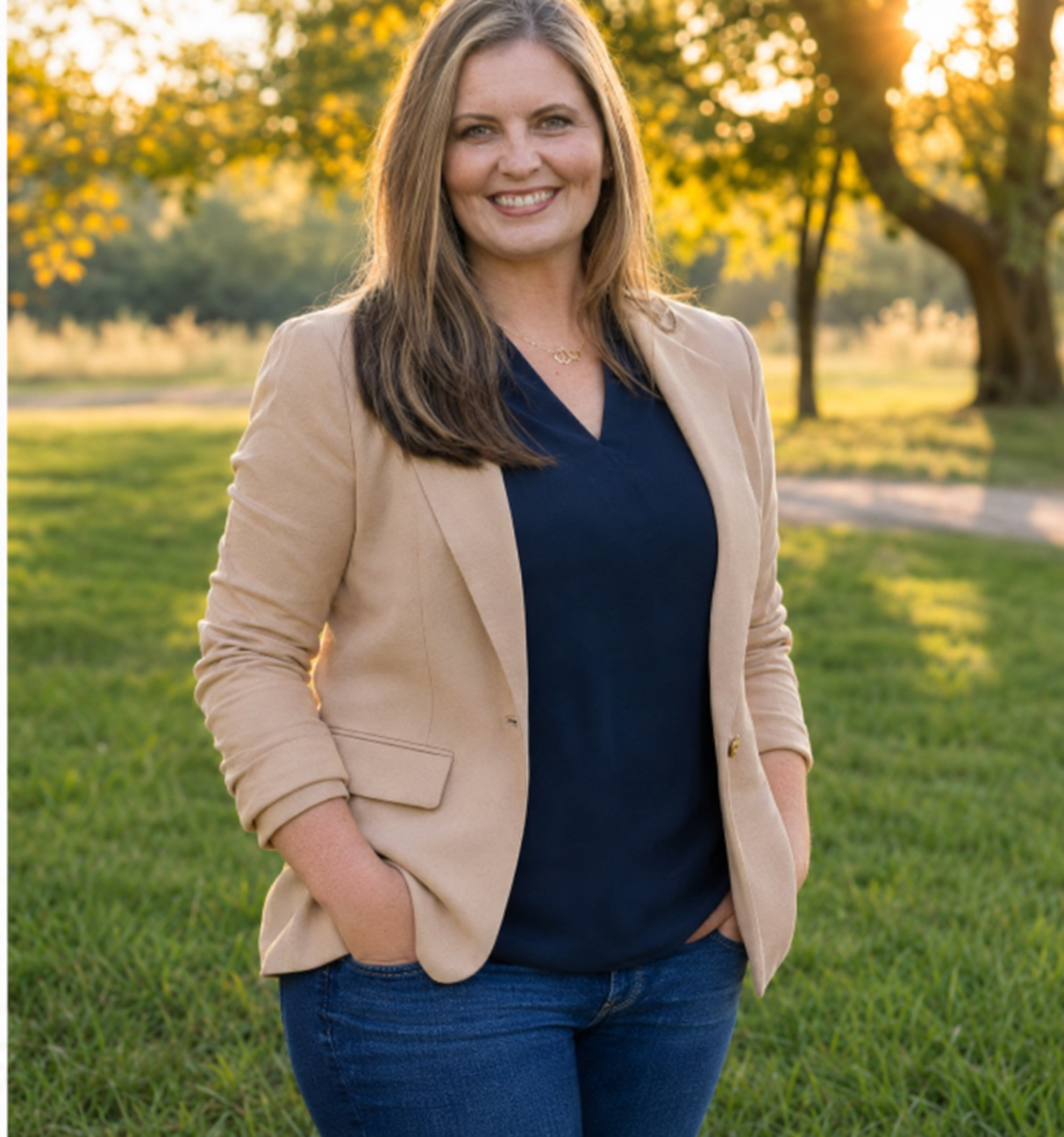
Tiffany I. Garrett, MSN, RN, CWHS
Medical Support Coordinator, Public Safety Support Division
Family Nurse Practitioner Graduate — Board Certification Pending
For nearly 23 years, Tiffany has been a military wife, and she is also the wife of a first responder. She knows that a life of service affects not only those who answer the call, but also the families who stand beside them.
Through her work in public safety medical support, she collaborates with multiple law enforcement and fire agencies across Mississippi to help connect first responders with occupational health resources, preventive care, mental health education, and appropriate follow-up support.
“Supporting those who protect our communities means caring for their health, their well-being, and the people who support them at home.”
This profile describes Tiffany’s background and professional experience. First Responder Wellness is an independently maintained resource website and is not an official UMMC program.